
You don't need a rainforest to be a naturalist. Some of the most interesting bird behavior on Earth happens on lawns, fences, and feeders — if you know how to look. Here are five birds you can find in almost any North American backyard, and what makes each one worth watching.
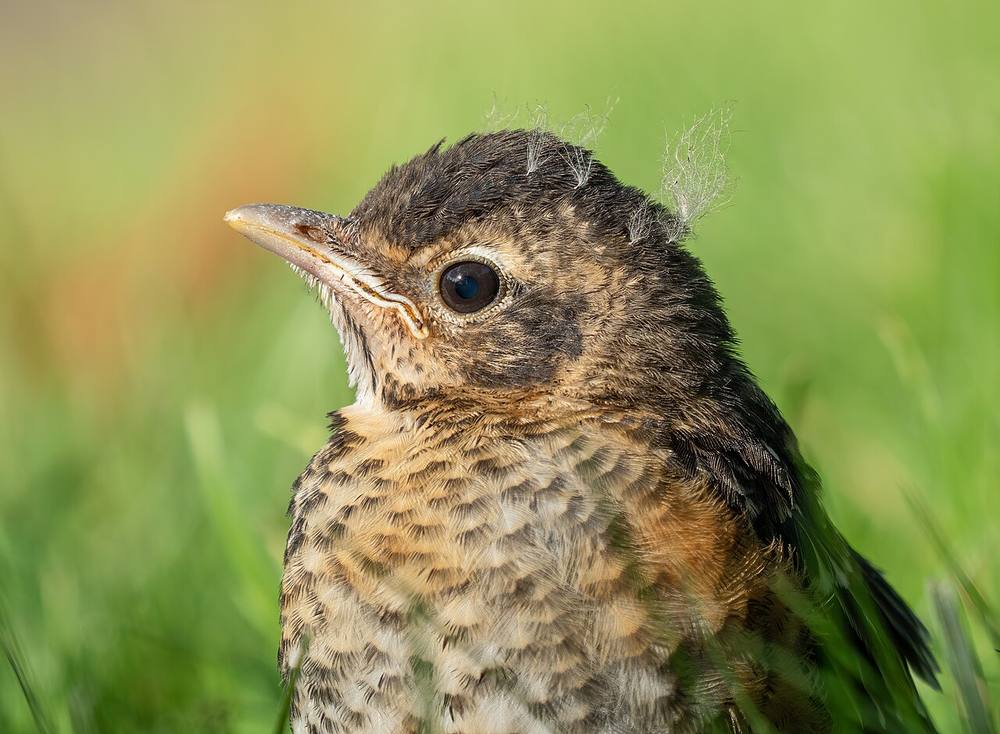
American Robin
Turdus migratorius
Watch a robin hunt and you'll see the classic run-and-pause: sprint, freeze, cock its head — then strike. It's finding earthworms by sight, watching for the tiniest movement in the grass. Robins are one of the first birds singing at dawn in spring, which is why so many people treat their return as the season's opening announcement.
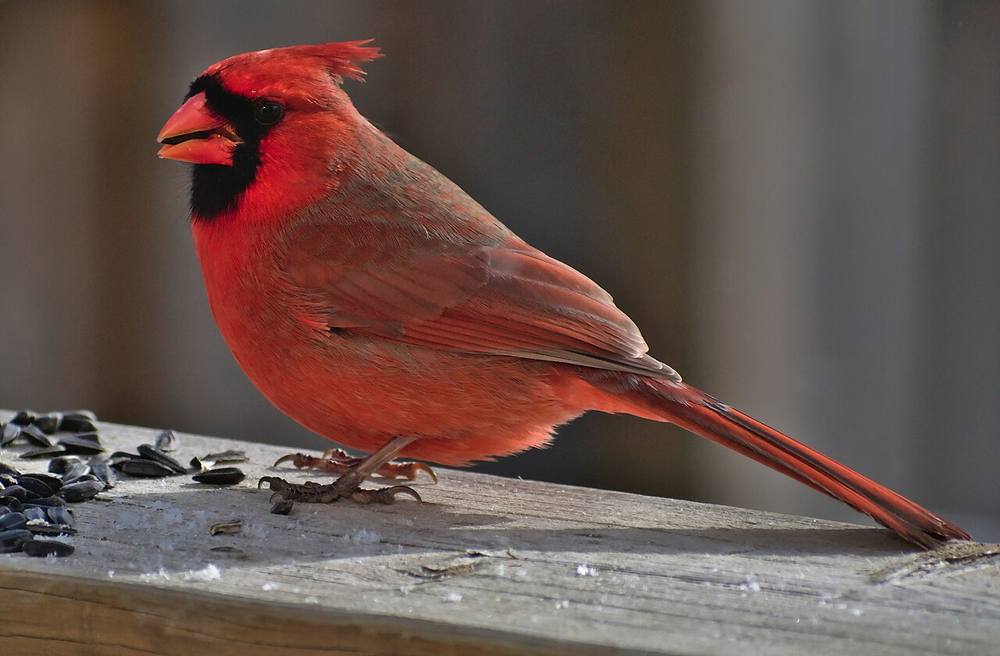
Northern Cardinal
Cardinalis cardinalis
The male's brilliant red makes him easy to spot against snow — which is convenient, because cardinals don't migrate. They tough out the winter right where you are. Here's the detail I love: cardinals are one of the few songbirds where the female sings too, often trading phrases back and forth with her mate like a duet.
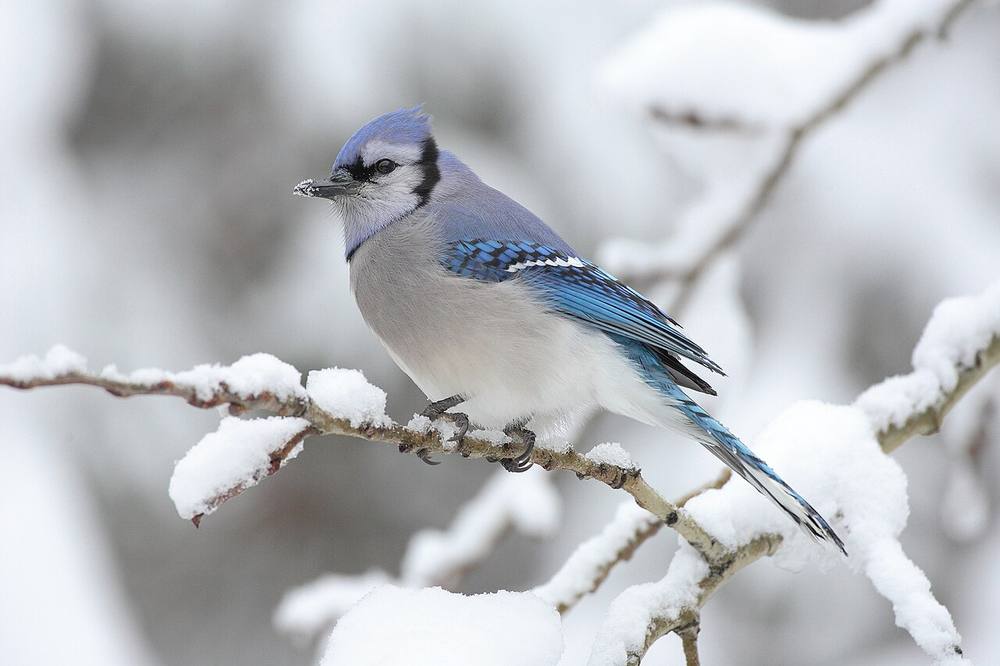
Blue Jay
Cyanocitta cristata
Blue jays are corvids — the same family as crows and ravens — and they're startlingly smart. They can imitate the scream of a red-shouldered hawk, which conveniently scatters every other bird from the feeder. They also bury thousands of acorns each fall and forget some of them, which means blue jays have accidentally planted entire oak forests.
 Pip's Field TipTap to peek 🐸
Color trick: Blue jays aren't actually blue! Their feathers contain zero blue pigment — microscopic structures scatter light so your eyes see blue. Hold a feather up to the light and the blue vanishes.
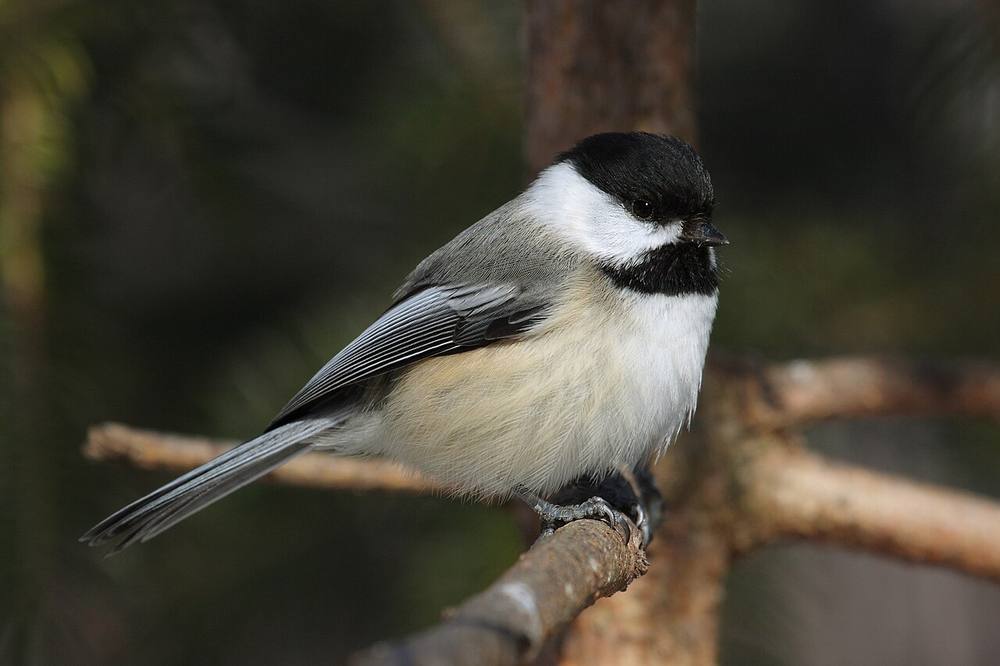
Black-Capped Chickadee
Poecile atricapillus
Tiny, fearless, and loud for its size. The chickadee's famous "chick-a-dee-dee-dee" call is actually an alarm system — the more "dee" notes at the end, the more dangerous the predator. These little birds survive brutal northern winters on smarts and memory: a single chickadee can hide seeds in hundreds of spots and remember nearly all of them.
Pip's Field TipTap to peek 🐸
Brain power: Every fall, a chickadee grows brand-new brain cells just for remembering seed hiding spots — then trims the extras away in spring. Talk about studying for winter!
American Goldfinch
Spinus tristis
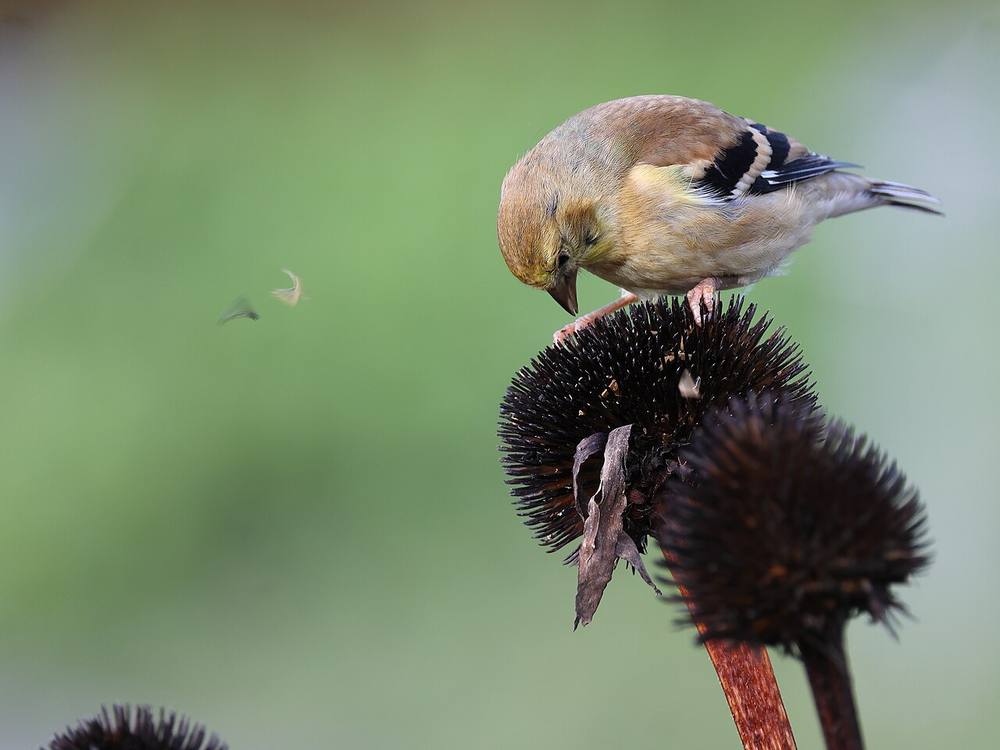
The bright yellow summer male is unmistakable, but goldfinches pull a costume change — in winter they molt into dull olive-brown, and many people don't realize it's the same bird. Goldfinches are strict vegetarians, eating almost nothing but seeds, and they nest later than any other North American songbird, waiting until thistles produce the downy fluff they line their nests with.
Field skills for young birdwatchers
1. Sit still first. Birds notice movement. Find a comfortable spot, stay quiet for five minutes, and the backyard comes back to life around you.
2. Listen before you look. You'll hear most birds before you see them. Try to pick out one call and follow it with your eyes.
3. Write it down. Real ornithologists keep field journals: date, time, weather, what the bird was doing. Patterns appear fast.
4. Give them space. Watch from a distance, never chase, and keep cats indoors during nesting season. A good naturalist leaves no trace.
Frequently asked questions
How do robins find worms underground?
By sight, not hearing. Watch a robin hunt and you'll see the run-and-pause: sprint, freeze, cock its head — it's watching for the tiniest movement in the grass, then striking. That head-cock is a robin aiming its eyes, not its ears.
Are blue jays actually blue?
No! Blue jay feathers contain zero blue pigment. Microscopic structures in the feather scatter light so your eyes perceive blue — hold a feather up to the light and the blue vanishes. It's structural color, the same trick behind morpho butterfly wings.
Do blue jays really plant oak trees?
Accidentally, yes. Blue jays bury thousands of acorns each fall as winter food stores and forget some of them. The forgotten acorns sprout — so blue jays have unintentionally planted entire oak forests, one buried acorn at a time.
How do chickadees remember where they hid seeds?
With a rebuilt brain. Every fall, a black-capped chickadee grows brand-new brain cells dedicated to remembering its hundreds of seed hiding spots, then trims the extras away in spring. The "chick-a-dee-dee-dee" call is also an alarm code — more "dee" notes means more danger.
Why don't cardinals migrate in winter?
Northern cardinals simply tough out the winter where they live, which is why that flash of red against snow is a classic cold-weather sight. They're also unusual among songbirds because the female sings too — pairs often trade phrases back and forth like a duet.
What's the easiest way for kids to start birdwatching?
Sit still first. Find a comfortable spot, stay quiet for five minutes, and let the backyard come back to life around you. Listen before you look — you'll hear most birds before you see them — and write down the date, time, and what each bird was doing, just like a real ornithologist.
Keep exploring
- 🌿 Outdoor Activities for Kids: 15 No-Screen Ideas — including the backyard bird stakeout mission
- 🔬 What Is Citizen Science? A Parent's Guide — log your sightings for real science
- 🦎 10 Rare Animals Your Kids Have Never Heard Of — stranger birds included (okay, one frog)
Become a backyard ornithologist
Wren's Backyard Bird-Watching Guide is 16 printable pages: illustrated bird ID charts, spotting checklists, feather-and-beak science lessons, journal pages, and an official Junior Ornithologist certificate. Ages 6–13.
Get the bird guideField stamp: backyard birds — investigated ✓