
I spend my days investigating Earth's strangest wildlife, and I can tell you this: the real animals are weirder than anything I dream up for alien worlds. Here are ten genuine, verified creatures that tend to stop kids mid-sentence.
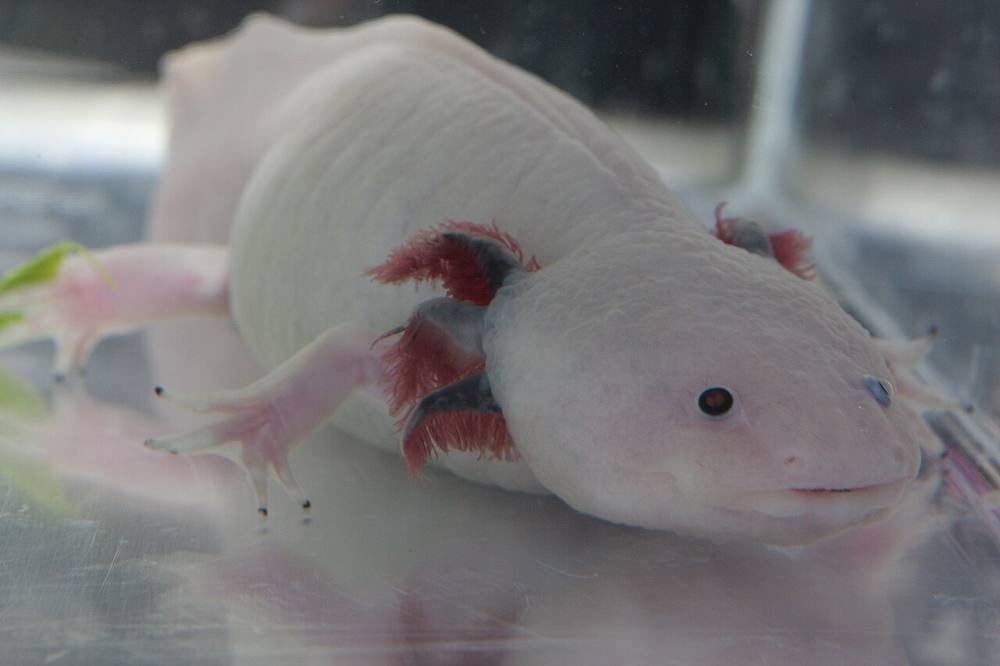
1. Axolotl
Ambystoma mexicanum
This Mexican salamander never grows up — it keeps its youthful gills and aquatic lifestyle its entire life. And it can regrow a lost leg, tail, jaw, even parts of its heart and brain. Scientists study axolotls hoping to unlock regeneration medicine for humans. In the wild, they're critically endangered, found only in the lakes and canals near Mexico City.
2. Pangolin
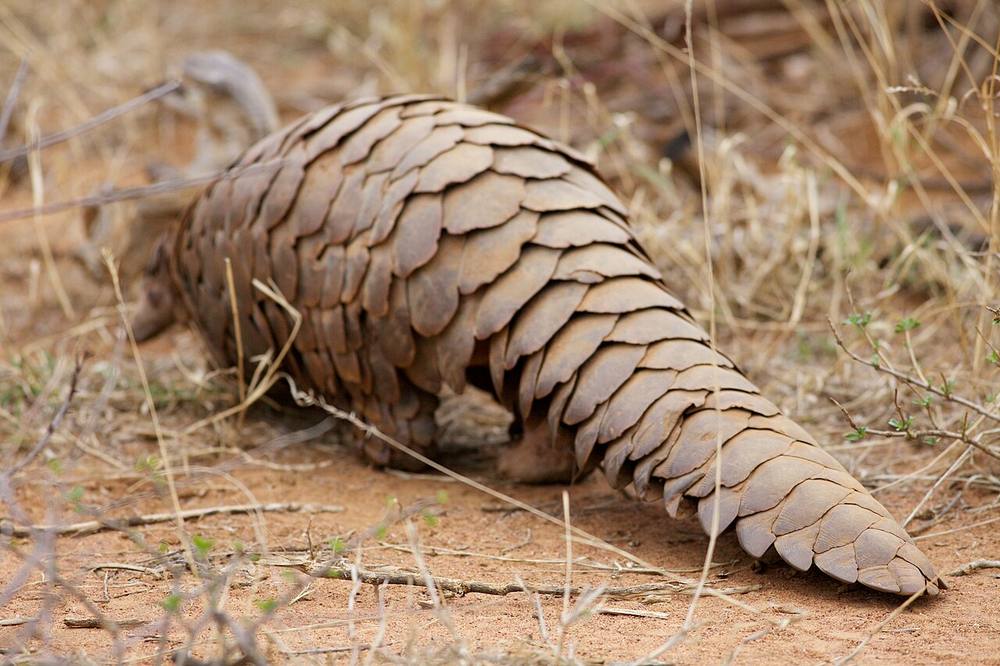
Family Manidae · eight species across Africa and Asia
The only mammal on Earth covered in true scales. When threatened, a pangolin rolls into a tight armored ball that predators can't open. It has no teeth — instead, a tongue longer than its body slurps up ants and termites. Sadly, pangolins are also among the most trafficked wild mammals in the world, which is why conservationists work hard to protect them.
 Pip's Field TipTap to peek 🐸
Secret armor fact: A pangolin's scales are made of keratin — the exact same stuff as your fingernails. Underneath all that armor is a shy, gentle insect-hunter.
3. Narwhal
Monodon monoceros
Often called the unicorn of the sea, the narwhal's famous "horn" is actually a tooth — a spiral tusk that can grow up to 10 feet long. Males (and some females) carry it through Arctic waters. Researchers believe the tusk is a sensory organ that can detect changes in the water around it.

4. Okapi
Okapia johnstoni
With a body like a giraffe and striped legs like a zebra, the okapi fooled early explorers — but DNA reveals it is the giraffe's only living relative. It lives in the dense rainforests of the Congo, and its tongue is so long it can lick its own ears and eyelids clean.
5. Thorny Devil
Moloch horridus
This spiky Australian lizard doesn't need to find water to drink. Microscopic grooves between its thorns pull dew and moisture across its skin and channel it straight to its mouth — it literally drinks through its skin. It can eat thousands of ants in a single day.
6. Tarsier
Family Tarsiidae · Southeast Asia
One of the smallest primates in the world, with eyes bigger than its brain — built for hunting insects in the dark. A tarsier can't move its eyes at all, so instead it rotates its head nearly 180 degrees in each direction. It hunts by leaping silently onto prey.
7. Mantis Shrimp
Order Stomatopoda
Don't let the size fool you — the mantis shrimp's punch is one of the fastest movements in nature, striking with the acceleration of a bullet to smash crab shells. It also sees the world in 12 or more color channels (humans see three). It's basically a rainbow-detecting boxer living in a burrow.
8. Fennec Fox
Vulpes zerda
The world's smallest fox, built for the Sahara Desert. Those enormous ears do double duty: they hear prey moving underground, and they release body heat to keep the fox cool. Furry feet work like slippers on scorching sand.
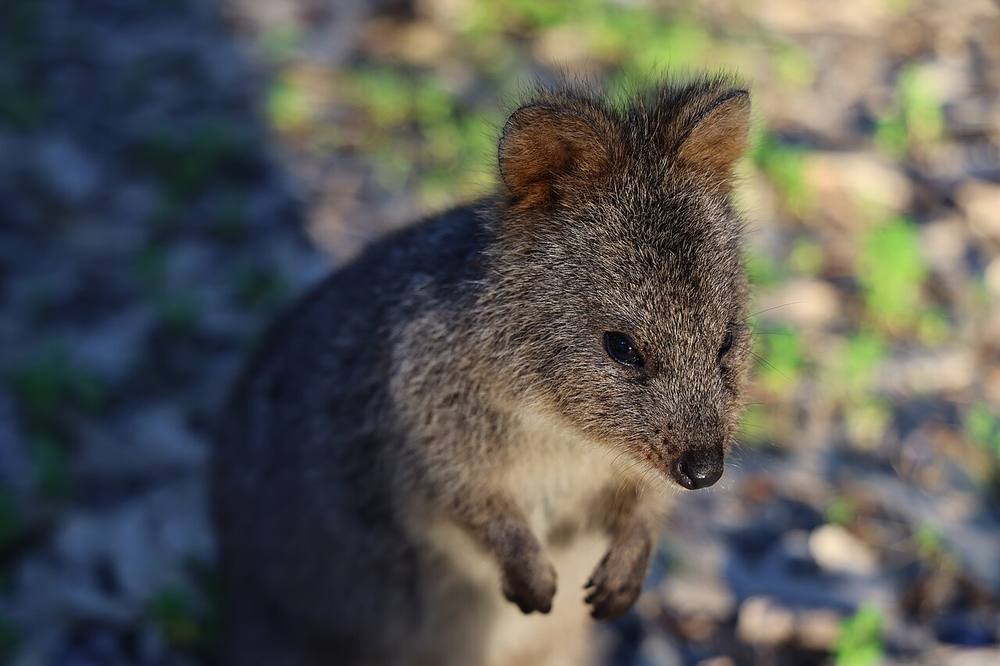
9. Quokka
Setonix brachyurus
A small wallaby from Western Australia that always looks like it's smiling — earning it the nickname "the happiest animal on Earth." Quokkas are nocturnal plant-eaters, and most of them live on just a few small islands, where they've survived precisely because larger predators never reached them.
10. Red-Eyed Tree Frog
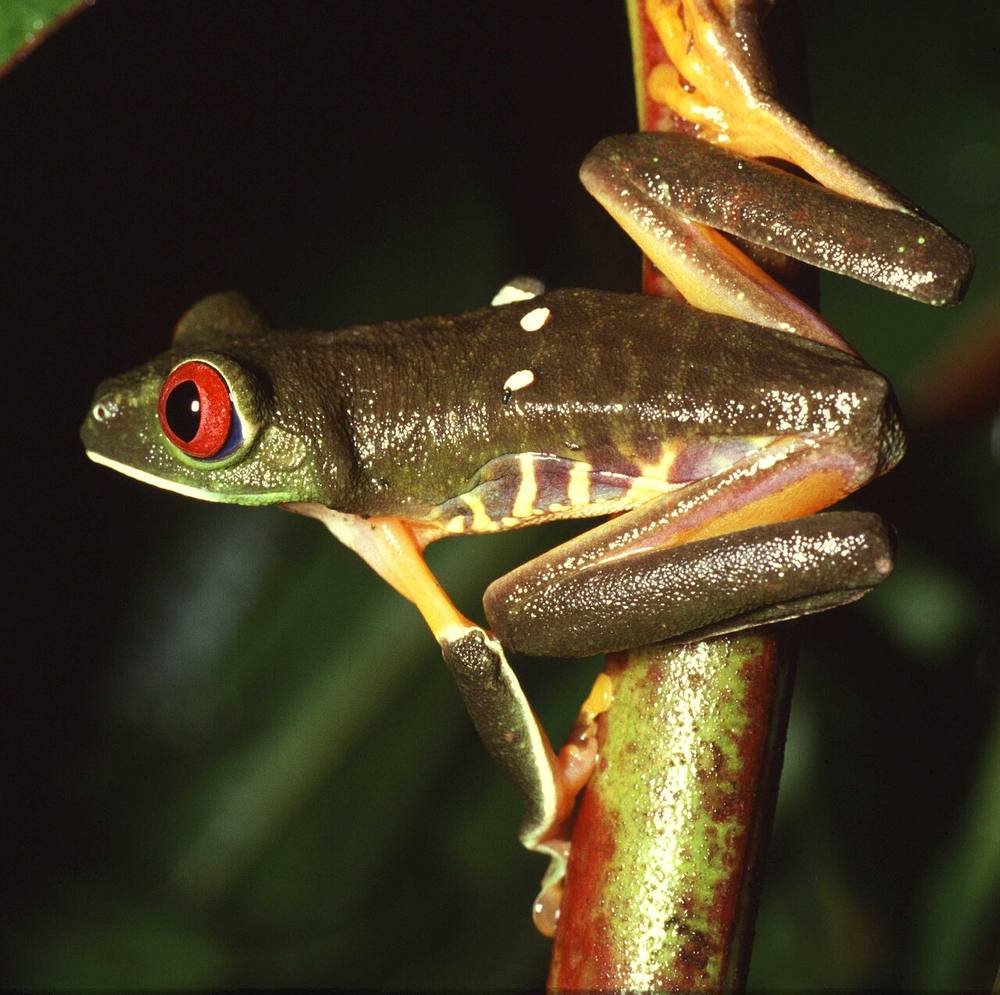
Agalychnis callidryas
By day, this Central American frog sleeps tucked green and motionless against a leaf — invisible. But if a predator disturbs it, those enormous red eyes flash open in a sudden "BOO!" display that can startle an attacker long enough for the frog to escape. Camouflage by day, surprise by night.
Pip's Field TipTap to peek 🐸
Pip here! See those big circles behind my eyes? Those are my eardrums — frogs hear with flat discs on the sides of their heads. No ear flaps like yours needed.
Frequently asked questions
What is the rarest animal in the world?
The vaquita, a small porpoise found only in Mexico's Gulf of California, is the rarest marine mammal in the world, with fewer than 20 individuals remaining. On land, animals like the Javan rhino — down to a few dozen in a single Indonesian park — are among the rarest large mammals alive.
Can axolotls really regrow parts of their heart?
Yes — axolotls can regenerate lost legs, tails, jaws, and even damaged heart and brain tissue without scarring. Scientists study them hoping to unlock regeneration medicine for humans, which is one more reason protecting their last wild habitats near Mexico City matters.
Why is a narwhal's tusk actually a tooth?
The narwhal's spiral "horn" is an elongated left canine tooth that can grow up to 10 feet long through the upper lip. Researchers believe it's a sensory organ that detects changes in water temperature, pressure, and chemistry around it.
Are pangolins the most trafficked mammals in the world?
Pangolins are among the most trafficked wild mammals on Earth, poached for their scales and meat despite international protection. All eight species across Africa and Asia are threatened, which is why conservation groups work to protect them and shut down the illegal trade.
How does a thorny devil drink water through its skin?
Microscopic grooves between the thorny devil's spines pull dew and moisture across its skin by capillary action, channeling it straight to the corners of its mouth. The Australian lizard can harvest water this way without ever finding a puddle.
Why do tarsiers have such huge eyes?
A tarsier's eyes are bigger than its brain — built for hunting insects in the dark of Southeast Asian forests. It can't move its eyes at all, so it rotates its head nearly 180 degrees in each direction instead, then leaps silently onto its prey.
Keep exploring
- 🐦 A Kid's Guide to Backyard Birds — five wild birds you can spot without leaving home
- 🌿 Outdoor Activities for Kids: 15 No-Screen Ideas — field missions that get kids outside
- 🔬 What Is Citizen Science? A Parent's Guide — help real scientists from your backyard
Keep investigating
These ten are just the beginning. Wren's Rare Animal Flashcards cover 24 real animals with 24 true facts — plus five games for the whole family. Printable at home, ages 6–13.
Get the flashcardsPrefer coloring? Try the Rare Animals Coloring Pack →
Field stamp: rare animals — investigated ✓